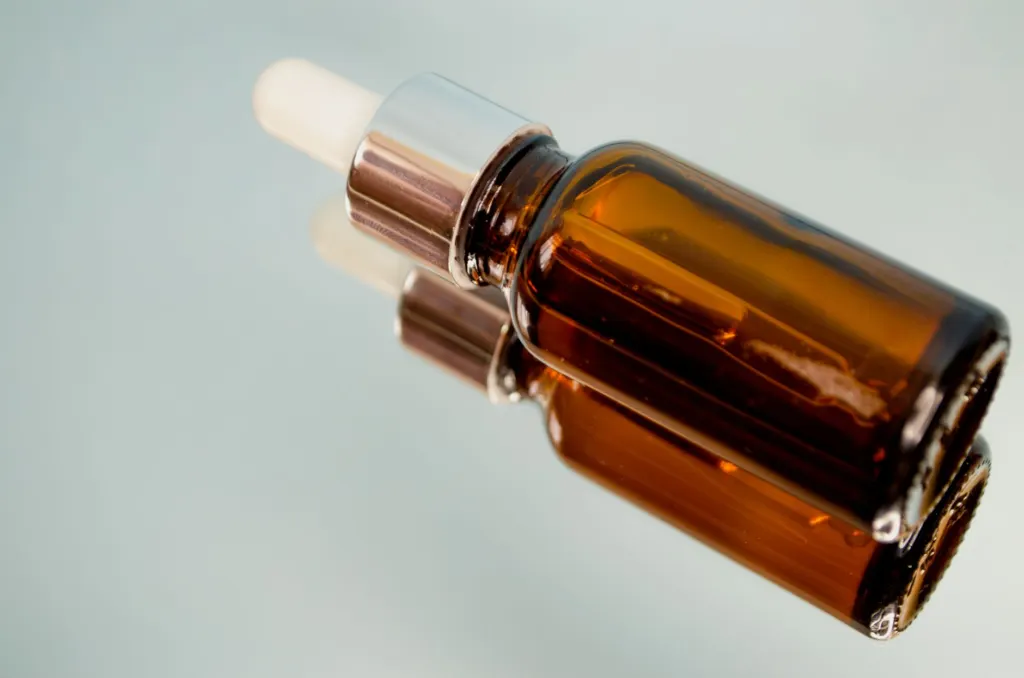
An eyebrow growth serum promises fuller brows, but results depend on the ingredients and the reason your brows are thin. Some serums mainly condition the hairs, while others contain ingredients that can change the growth cycle. This guide explains the main types, realistic results, side effects and when to see a GP instead.
Types of eyebrow growth serum
| Main ingredients | What they do | Things to know |
|---|---|---|
| Peptides, biotin, panthenol | Condition hairs so they look fuller | Gentle; results are subtle |
| Oils (castor and similar) | Moisturise brittle hairs | Little evidence for new growth |
| Prostaglandin-like ingredients | Can lengthen the growth phase of hairs | More noticeable results, more side effects |
Check the ingredient list for names such as isopropyl cloprostenate, which is a prostaglandin-like ingredient. These can work for some people. However, they can also irritate the skin, darken the skin around the brows and, if they get near the eyes, cause eye irritation. Therefore, patch test first and follow the instructions exactly.
Is there an eyebrow growth serum that actually works?
Results vary from person to person. Conditioning serums often make existing hairs look healthier within weeks. Meanwhile, serums with prostaglandin-like ingredients may give fuller brows over two to three months. However, no serum can regrow hair from follicles that have stopped working, for example after years of heavy plucking.
Other ways to help brows recover
- Stop plucking or threading for at least two to three months and let everything grow.
- Brush brows daily with a clean spoolie.
- Remove make-up gently, without rubbing.
- Eat a balanced diet, because low iron and some vitamin deficiencies affect hair.
- Use a brow pencil or powder to fill gaps while you wait.
How to apply a serum properly
Apply it once or twice a day, as the instructions say, to clean, dry skin. Use a thin line along the brow, including any gaps, and avoid the eye area. Also, let it dry before putting on make-up. Consistency matters more than quantity, because using extra does not speed up growth and makes irritation more likely. Take a photo in the same light every two weeks, so you can judge results fairly.
Finally, store serums as directed and replace them by the date on the pack, because old products can irritate more.
When to see a GP
Thinning brows can have medical causes, including thyroid problems and alopecia. Losing hair from the outer third of the brow can be one sign. So see a GP if you lose brow hair without plucking, especially with other symptoms such as tiredness or hair loss elsewhere. The NHS explains types and causes of hair loss.
Checklist before you buy
- Read the full ingredient list, not just the claims on the box.
- Patch test on a small area first.
- Avoid serums while pregnant or breastfeeding unless a pharmacist says they are suitable.
- Stop if you notice redness, itching or skin darkening.
- Give it at least eight weeks before judging results.
If your brows stay sparse, semi-permanent options can help. Read our microblading guide, or try a henna brows treatment for a fuller look while you grow them.