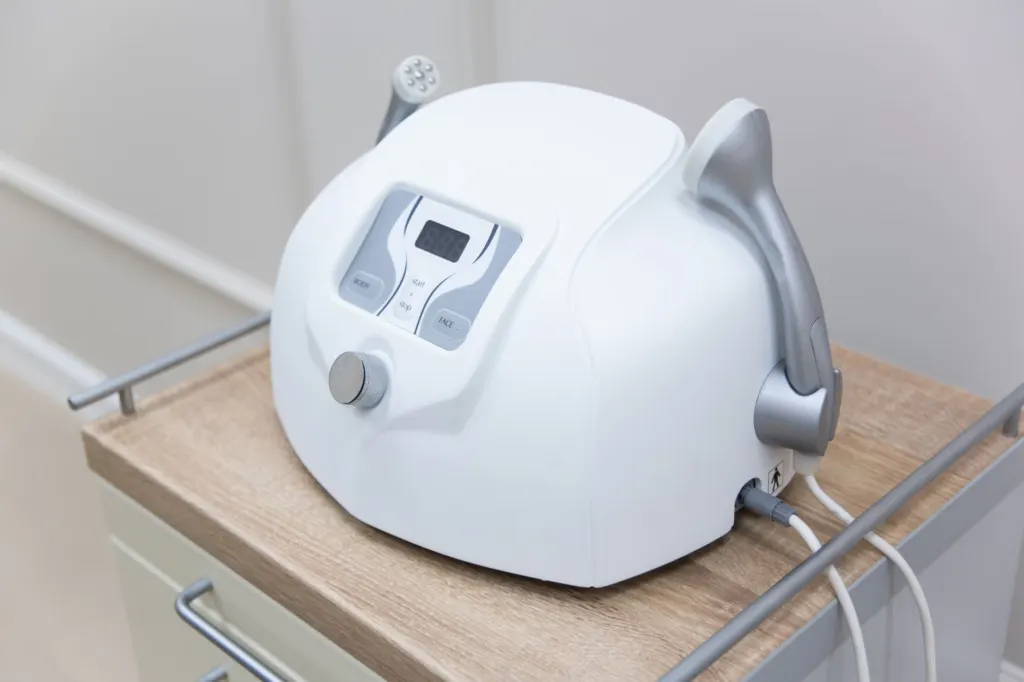
Eyebrow tattoo removal can lighten or remove old microblading, powder brows or permanent make-up that has faded to the wrong colour or shape. The main options are laser removal, saline removal and colour correction. Each works differently, and most need several sessions. This guide explains the choices, the risks and how to choose a clinic.
Eyebrow tattoo removal options
| Method | How it works | Good for |
|---|---|---|
| Laser removal | Light energy breaks pigment into tiny particles the body clears | Dark, old or widespread pigment |
| Saline removal | A salt solution is worked into the skin to draw pigment out | Recent microblading, small areas |
| Colour correction | A new pigment neutralises an unwanted tone | Brows that have turned red, orange or grey |
| Waiting it out | Pigment fades naturally over time | Light, recent work you can live with |
How many sessions will I need?
It depends on how much pigment is in the skin, its colour and how deep it sits. Lighter, newer work may fade in a few sessions. However, dense older permanent make-up can take many more. Clinics usually leave several weeks between sessions, so the skin can heal and the body can clear the pigment.
Why are people removing their microblading?
- The shape no longer suits them, or brow fashions changed.
- The colour has healed too warm, too cool or too dark.
- Strokes have blurred, especially on oily skin.
- The original work was uneven or poorly placed.
What if my eyebrow tattoo is too dark?
Fresh semi-permanent brows always look darker than the healed result. So wait the full healing time, often around four to six weeks, before deciding. If they are still too dark after that, saline removal can lighten recent work. Older, very dark brows usually respond better to laser treatment. Meanwhile, a skilled artist may be able to soften the look by adjusting the shape at your top-up.
Removal also takes patience. The skin needs time to heal between sessions, so a full course can take months. Plan any new treatment for after the area has fully settled.
Risks to know about
Removal can cause redness, swelling, blistering and scabbing. Also, some pigments change colour under laser light before they fade. There is a risk of scarring and changes in skin colour, particularly on darker skin. In addition, laser treatment close to the eyes needs proper eye protection. The NHS has an overview of tattoo removal, including risks.
Aftercare matters as much as the treatment. Keep the area clean and dry, avoid make-up on it while it heals and protect it from the sun, because healing skin marks easily.
Checklist: choosing a clinic
- Ask about the practitioner’s training and how long they have treated brows.
- Check the clinic is registered or licensed with the local council where required.
- Ask to see before-and-after photos of brow removal, not body tattoos.
- Have a patch test on a small area first.
- Get a written estimate of sessions and total cost.
Planning new brows afterwards? Compare microblading vs powder brows first. For a temporary look while you wait, an eyebrow tint adds definition without needles.